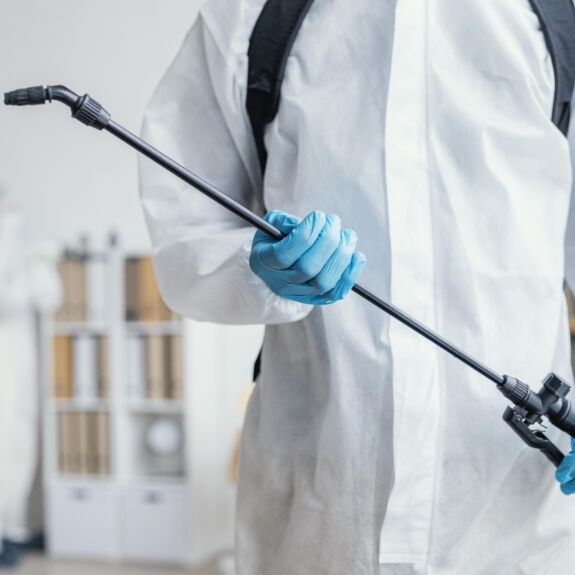
When it comes to planning a pest treatment, one question almost always comes up: how long should you stay out of the house after the treatment?
This question arises frequently. We want to ensure the safety of children, pets, and more vulnerable individuals while allowing the treatment to be fully effective.
The reality is that there is no single universal answer: the duration of absence depends on the type of treatment, the targeted pest, and the methods used by the technicians.
In this practical guide, we clearly explain the usual timelines, why they exist, and what VEXT recommends for a safe and stress-free return home.
Why do you need to leave the house during certain treatments?
When a pest control technician works inside a home, their goal is twofold: eliminate existing pests and prevent their return. To achieve this, they may use different methods, some of which require drying time or a safety interval.
Temporarily leaving the house allows you to:
- Ensure your safety while the applied products fully dry;
- Optimize the effectiveness of the treatment, especially for liquid insecticides or residual formulations;
- Allow proper ventilation when recommended;
- Limit unnecessary contact with treated surfaces, especially for children and pets.
At VEXT, all treatments are carried out by government-certified technicians. Our eco-responsible approach prioritizes safe, effective methods designed to provide lasting peace of mind.
Factors that influence the duration of absence
Every situation is different. Here are the main elements that determine how long you may need to stay out of your home:
01. Type of targeted pest
Bed bugs, cockroaches, ants, spiders, silverfish… Some require more complex methods or the application of products in multiple areas of the home.
02. Method used
Technicians may use:
- Gels and baits (generally very safe and low odor);
- Powders;
- Liquid insecticides;
- Thermal or steam treatments (especially for bed bugs);
- Or mechanical devices like sticky traps.
Each method requires different waiting times.
03. Rooms treated
The more areas covered, the longer the potential absence.
Examples: kitchens, bedrooms, basements, utility rooms, or attics.
04. Home ventilation
Some treatments require 15 to 30 minutes of airing before occupants can return.
How long should you stay out depending on the treatment?
Here are the most common waiting times for residential pest treatments:
01. Crawling insects (ants, cockroaches, silverfish, earwigs)
Gels and baits
- Usually no need to leave the house.
The technician applies small amounts in strategic and safe areas.
A delay of 1 to 2 hours may be recommended simply to let the product settle.
Liquid or residual insecticides
- Expect 4 to 6 hours of absence.
These products must fully dry before occupants can re-enter.
02. Bed bugs: A special case
Bed bugs always require more thorough treatment.
Chemical treatment
- Generally expect at least 6 hours of absence.
This can be extended depending on:
- the size of the home,
- the level of infestation,
- the number of rooms treated.
Technicians will provide detailed instructions for preparing your home and returning safely.
Thermal or steam treatment
- Often minimal waiting time is needed, but a short interval may be requested to let surfaces cool or dry.
03. Outdoor treatments (spiders, ants, wasps, earwigs, centipedes)
No need to leave the house.
It is simply recommended to:
- Avoid treated areas for 1 to 2 hours, allowing products to dry.
04. Rodent control (rats, mice)
Rodent treatments do not require leaving the house.
Technicians install secured stations, traps, or outdoor bait points, all safe for occupants.
This is part of what makes VEXT’s Peace of Mind + Rodent Protection programs so effective: complete peace of mind without disrupting your routine.
How to prepare your home before a treatment
Proper preparation can reduce the absence time and improve the treatment’s effectiveness. Here are some tips from our technicians:
Indoors
- Keep rooms clean and tidy.
- Clear baseboards, spaces behind furniture, and areas targeted for treatment.
- Reduce sources of moisture in the kitchen, bathroom, and basement.
- Check ventilation systems and drain traps.
- Seal potential entry points to prevent pests from returning.
Outdoors
- Keep firewood away from walls.
- Place bird feeders away from the house.
- Treat or isolate plants before bringing them indoors in the fall.
- Maintain foundations, roof, and visible cracks.
Learn more about preparing for a home extermination intervention.
Stay safe, stay calm
Leaving the house after a pest treatment is sometimes necessary for safety and effectiveness. Depending on the treatment, this can range from 0 to 6 hours. At VEXT, our certified technicians always guide you to ensure a safe, eco-responsible, and long-lasting intervention.
If you have questions or would like a quote, our team is here to support you every step of the way.