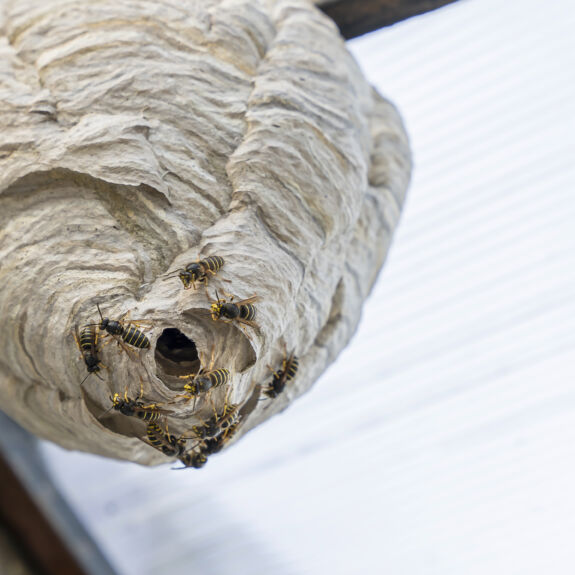
No one wants to find wasps around their home—let alone discover a nest. Wasps can spoil your outdoor enjoyment and pose a serious risk for those allergic to their sting. Fortunately, there are effective and safe ways to eliminate them and keep them from coming back.
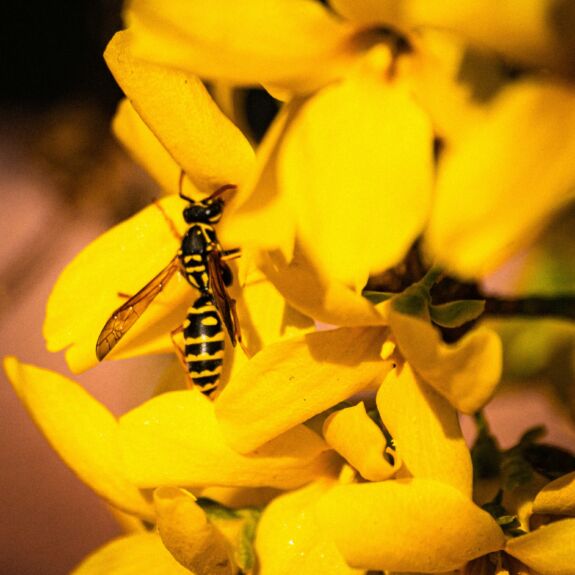
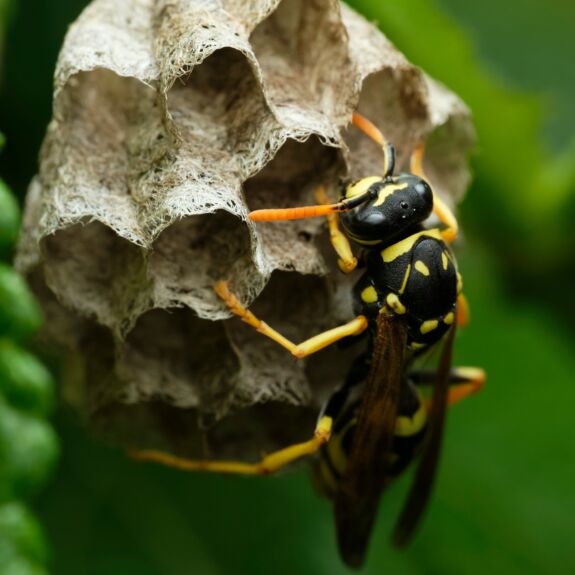
Why do wasps settle around your home?
Wasps are attracted to warm, dry, sheltered places. They look for cavities to build their nests: under eaves, in attics, sheds, hollow trees, or even inside walls. A nearby food source—like leftover meals, sweet drinks, or bird feeders—can also encourage them to stay.
Signs of a wasp nest
Here are a few signs that may indicate the presence of a nest:
- Frequent wasp traffic to and from the same spot.
- A persistent buzzing sound in a specific area of the house or garden.
- A visible nest that looks like a paper-mâché ball, often hanging under a roof or hidden in dense hedges.
Once you notice a nest, it’s crucial to act quickly. A small nest may contain just a few dozen wasps, but by late summer, a mature nest can house thousands.
Why you should avoid DIY wasp treatments
Trying to remove a wasp nest on your own can be dangerous:
- Wasps defend their nest aggressively. An unplanned attempt could trigger a swarm attack.
- Improper or unsafe use of pesticides can be ineffective or harmful to your health and that of your family.
- Some wasp species are more aggressive and require specialized treatment.
If in doubt, it’s always best to call certified professionals.
VEXT's wasp control service
At VEXT, we understand how stressful a wasp infestation can be. That’s why we offer a fast, safe, and eco-friendly solution to eliminate wasp nests around your home.
Our service includes:
- A complete inspection of your property to locate active nests.
- Identification of the wasp species (common wasps, German wasps, paper wasps, etc.).
- A targeted treatment using approved, environmentally safe products.
- Personalized advice to prevent wasps from returning.
Our certified technicians receive ongoing training to stay up to date with the best practices for removing wasp nests.
How to prevent a wasp infestation
Prevention is the best strategy. Here are some simple habits to adopt:
- Seal cracks and openings around the house, especially near the roof and soffits.
- Install screens on windows and air vents.
- Keep garbage bins sealed and regularly clean outdoor eating areas.
- Avoid leaving food or sugary drinks outside.
- Keep bird feeders and compost bins away from the house.
A clean, well-maintained environment significantly reduces the chances of attracting wasps.
When is the best time to treat a wasp nest?
The ideal time is spring or early summer, when nests are still small. Early intervention limits the colony’s growth and prevents wasps from becoming a problem by the end of summer.
However, treatments can be done throughout the warm season. At VEXT, we also offer preventive visits as part of our Exterior Protection Programs.
VEXT and exterior wasp protection
Our Peace of Mind Exterior program includes two annual visits to treat nuisance insects, including wasps. This preventive service includes:
- Targeted treatments in high-risk nesting areas.
- Personalized recommendations to secure your property.
- Free service calls if wasps reappear between visits.
It’s the best option for those who want to enjoy their summer worry-free, without being bothered by insects.
Frequently asked questions about wasps
Do all wasps sting?
Yes, all wasps can sting, but they typically do so in self-defense. Some species are more aggressive than others.
Can I remove the nest myself at night?
Even at night, wasps may attack if they feel threatened. Handling a nest without proper protection is strongly discouraged.
Do wasps come back to the same spot each year?
Generally, no. Nests are not reused from one season to the next. However, if the environment is favorable, wasps may return to the same area.
What’s the difference between a wasp and a bee?
Wasps are slimmer, more aggressive, and can sting multiple times. Bees are hairier, less aggressive, and die after stinging.
Take back control with VEXT
Don’t let wasps ruin your summer. Whether you’ve already spotted a nest or want to prevent one from forming, VEXT is here to help with effective, long-lasting, and eco-conscious solutions.
Take advantage of our free estimate and say goodbye to wasps today.
Related articles
Carpenter Ants or Black Ants: How to Tell the Difference Inside Your Home
Ants in your home? Learn when they’re just a minor nuisance and when professional intervention is essential to protect your house from serious damage.
What Do Insects Do in the Winter?
Discover how mosquitoes, bees, butterflies, and other pests survive the cold and how to keep them from entering your home.